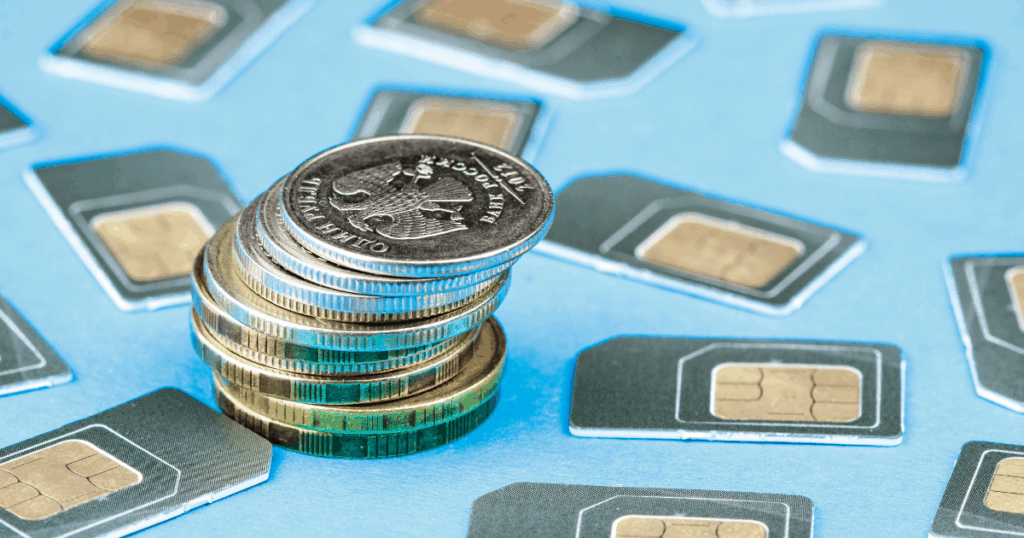
How to Lower Data Costs When Purchasing IoT/M2M SIM Cards
As IoT adoption continues to surge across industries from smart metering and vehicle telematics to remote monitoring and industrial automation managing the cost of connectivity becomes increasingly crucial. One of the biggest ongoing expenses for IoT deployments is mobile data usage. Whether you’re managing a few dozen connected devices or thousands, optimizing your data plan and SIM purchasing strategy can significantly reduce operational costs.
Here’s how you can lower data costs when purchasing IoT/M2M SIM cards:
Understand Your Data Usage Per Device
Before negotiating any SIM card deal, analyze your average and peak data usage per device:
Low-data use cases (e.g., temperature sensors, asset trackers): typically require <100MB/month.
Medium-data use cases (e.g., POS terminals, smart meters): 100MB–1GB/month.
High-data use cases (e.g., CCTV, telehealth): 1GB+ per month.
By knowing your data profile, you can avoid overpaying for unnecessary data allowances and select more cost-efficient plans tailored to your needs.
Pool Your Data Across SIMs
Choose a provider that offers data pooling. Instead of assigning a fixed data limit per SIM, pooled plans allow all SIMs to share a common data allowance. This prevents waste from underused SIMs and protects against overage charges from a few heavy users.
Example: If you have 100 SIMs needing ~500MB each, a pooled plan of 50GB/month can be more cost-effective than 100 individual 500MB plans.
Negotiate Volume-Based Discounts
SIM providers often offer tiered pricing based on volume. The more SIMs you commit to, the lower the per-SIM or per-MB cost.
Tips:
Start with a smaller initial batch with a scaling clause that guarantees lower pricing as volume increases.
Ask for multi-year contracts with annual cost reviews and renegotiation clauses.
Leverage Multi-Network and / or eSIM Technology
Using multi-network SIMs or eSIMs ensures your devices connect to the strongest signal, reducing the risk of costly data roaming and downtime. Many global providers offer local breakout or steered traffic to keep your data within low-cost regions.
Additionally, multi-network capability can reduce reliance on roaming agreements, which are often more expensive.
Optimize Data Transmission
Reduce the amount of data your devices send:
Compress data (use efficient encoding formats like JSON, CBOR, or binary).
Batch data and send at fixed intervals rather than in real-time (if latency isn’t critical).
Use edge processing to analyze data locally and only send critical information.
Avoid frequent firmware updates over the air unless necessary, or use Wi-Fi where possible.
Avoid Hidden Fees
Some providers charge for:
SIM activation
Inactivity or low usage
Roaming in certain zones
Overages beyond your data limit
Ensure you fully understand your total cost of ownership (TCO), not just the per-MB rate.
Use Fixed IP or VPN Strategically
While features like fixed IP or VPN access improve security and remote access, they can come at a premium. Only opt for them when truly needed and compare pricing from different providers.
Audit Your SIM Estate Regularly
Review SIM usage monthly to:
Identify underused or inactive SIMs.
Optimize or cancel unused lines.
Flag abnormal usage to prevent bill shock due to device malfunction or misuse.
Some providers offer real-time usage dashboards and alerts—utilize them.
Final Thoughts
Lowering your IoT/M2M SIM data costs doesn’t always mean cutting features or compromising service quality. It’s about strategic planning, choosing the right provider, and optimizing your data usage. By pooling data, negotiating smart contracts, and continuously monitoring your SIM fleet, you can achieve significant savings while maintaining reliable connectivity for your devices.
Need help sourcing cost-effective IoT SIMs or optimizing your connectivity strategy?Contact us for expert advice and flexible IoT plans tailored to your business.