


Supercharged IoT connectivity, designed with security and resilience at its core.

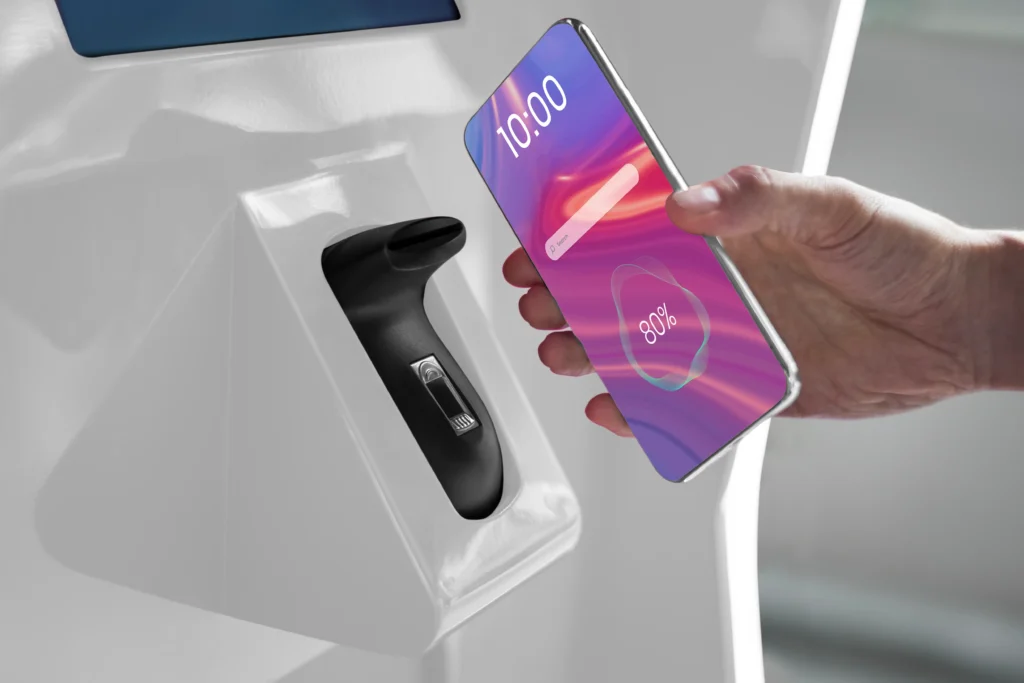
The adoption of embedded SIM (eSIM) technology is redefining how devices connect to mobile networks. Unlike traditional SIM cards that require a physical slot, eSIMs are built directly into the device, enabling remote provisioning and seamless switching between operators. This shift not only reduces manufacturing costs but also simplifies user experience.
Analysts forecast that global shipments of eSIM-enabled devices will exceed 633 million by 2026, highlighting just how quickly this technology is moving into the mainstream. Much of the initial growth has been driven by smartphone manufacturers, with adoption particularly strong in Asia and Europe. At the same time, laptops, tablets, wearables, and connected vehicles are contributing to accelerating uptake.
Several underlying factors are fuelling the growth of eSIM adoption worldwide:
Alignment with 5G Rollouts
As 5G networks continue to expand, eSIM provides a future-proof method of connectivity that supports seamless roaming and enhanced device interoperability.
While consumer devices account for much of the attention, enterprise and IoT applications represent one of the most exciting growth areas for eSIM. Businesses require reliable and global connectivity for logistics, transport, healthcare, and manufacturing.
Automotive Connectivity
The automotive industry is moving towards fully connected vehicles. eSIM enables manufacturers to deliver global telematics, infotainment, and safety services from a single production line.
Industry forecasts suggest that Chinese smartphone adoption alone will contribute significantly to global shipment numbers by 2026. Europe and North America will also see rising penetration, particularly as consumers shift towards devices that support both eSIM and traditional SIM slots.
eSIM is more than just a replacement for physical SIM cards. It represents a fundamental shift in digital connectivity, offering flexibility, cost savings, and scalability. For consumers, it means easier access to services and greater freedom when switching providers. For businesses, it reduces logistical challenges and opens the door to global IoT deployments at scale.
Looking ahead, the expansion of 5G, coupled with regulatory backing and consumer demand, ensures that eSIM will play a central role in the future of mobile and IoT connectivity. Enterprises that adopt this technology early will be better positioned to compete in a connected world.
By 2026, the global market for eSIM-enabled devices will have reached an important milestone, with shipments surpassing 633 million units. The technology is driving innovation across smartphones, IoT, automotive, and enterprise sectors, while also supporting the digital transformation of cities and industries.
As businesses plan their connectivity strategies, eSIM provides a scalable, flexible, and future-proof solution. To learn more about how this technology can transform operations and unlock new opportunities, visit Smooth Connectivity.

Supercharged IoT connectivity, designed with security and resilience at its core.