


Supercharged IoT connectivity, designed with security and resilience at its core.

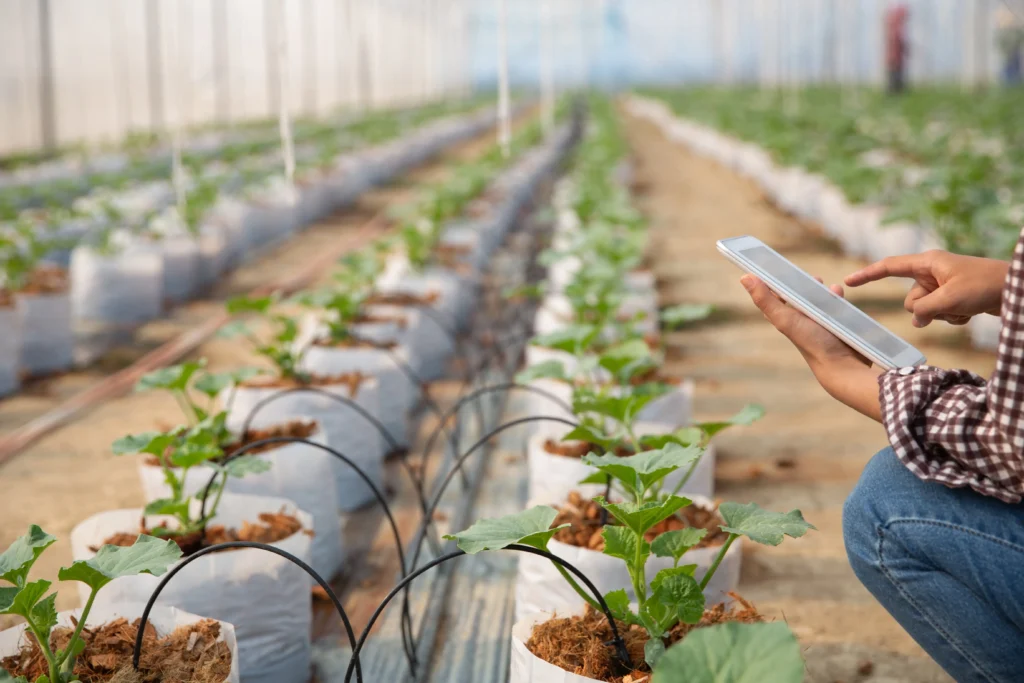
The global agricultural sector is undergoing a transformation as advanced technologies like the Internet of Things (IoT) reshape traditional practices. Among these innovations, IoT-based smart irrigation systems are gaining prominence for their role in improving water efficiency, reducing operational costs, and boosting crop yields. According to recent forecasts, the IoT smart irrigation market is projected to grow at a CAGR of 9.7% from 2024 to 2031, reaching a value of USD 4,677 million by 2031. This growth is being driven by increasing water scarcity concerns, rising adoption of precision agriculture, and government initiatives to promote sustainable farming.
Smart irrigation refers to the use of automated systems that regulate water distribution by leveraging sensors, weather forecasts, and soil moisture data. IoT enhances this by enabling real-time monitoring and remote control, ensuring that crops receive the exact amount of water they need. Unlike traditional irrigation systems, which often lead to overuse or underuse of water, IoT-enabled solutions promote optimal utilisation of resources.
Key features of IoT smart irrigation systems include:
Soil moisture and weather-based scheduling
Remote monitoring via mobile or web platforms
Integration with smart devices and connected sensors
Automated alerts for system performance and maintenance
By deploying such systems, farmers can reduce water consumption by up to 30% while improving crop yields significantly.
The IoT smart irrigation market is expected to witness exponential growth in the coming years, with a forecasted market size of USD 4,677 million by 2031. Several factors are contributing to this surge:
Water Scarcity and Sustainability Concerns
With freshwater resources under increasing stress, there is a global push to adopt technologies that ensure efficient usage. Smart irrigation systems play a vital role in reducing wastage.
Adoption of Precision Agriculture
Farmers are increasingly relying on technology-driven farming techniques. IoT smart irrigation integrates seamlessly with these approaches, providing data-driven insights.
Government Policies and Incentives
Several governments are promoting smart farming practices through subsidies and grants, further boosting adoption rates.
Technological Innovations
Continuous advancements in sensor technology, wireless connectivity, and AI are improving the reliability and efficiency of IoT irrigation solutions.
There are two main types of smart irrigation systems:
Sensor-Based Systems: These systems use soil moisture sensors and weather data to control irrigation schedules automatically.
Weather-Based Controllers: These rely on real-time weather conditions and forecasts to regulate water use efficiently.
Both types are increasingly being integrated with M2M SIM technology, which ensures reliable machine-to-machine connectivity for uninterrupted system operations.
IoT-based irrigation solutions are not limited to agriculture alone. They are being adopted in:
Agricultural Fields: Optimising crop production and conserving resources.
Smart Cities: Supporting sustainable landscaping and green infrastructure through IoT energy solutions.
Commercial Landscaping: Businesses and municipalities are using smart irrigation to reduce costs while maintaining green spaces.
In urban development, IoT-enabled irrigation also contributes to broader initiatives like smart city projects , where interconnected systems work together to improve sustainability and resource management.
North America: Leading in adoption due to strong government support and a high focus on sustainable farming.
Europe: Witnessing rapid adoption, particularly in countries prioritising water conservation.
Asia-Pacific: Expected to grow significantly due to population growth, urbanisation, and agricultural dependency.
Despite its benefits, the IoT smart irrigation market faces certain challenges:
High Initial Costs: Implementation can be expensive for small-scale farmers.
Connectivity Issues: Rural areas may face challenges in ensuring reliable connectivity.
Technical Complexity: Farmers require training to operate advanced systems effectively.
These barriers are expected to reduce over time with cost-effective solutions and wider availability of IoT platforms such as the IoT device management platform , which simplifies system integration and monitoring.
The future of smart irrigation is closely tied to the growth of IoT and AI. Integration with predictive analytics, satellite monitoring, and machine learning algorithms will further enhance decision-making and efficiency. As global populations rise and water demand increases, IoT smart irrigation will become essential for sustainable food production and urban water management.
The IoT smart irrigation market is on a strong growth trajectory, with forecasts predicting it will reach USD 4,677 million by 2031. The combination of sustainability goals, government initiatives, and technological innovations is driving widespread adoption across agriculture, landscaping, and smart city projects. By leveraging solutions like M2M SIM cards, IoT energy systems, and IoT device management platforms, businesses and communities can ensure reliable, efficient, and future-ready irrigation practices.
For organisations and farmers seeking to embrace digital transformation in water management, exploring advanced IoT solutions is no longer optional it is essential. Learn more about building smarter connectivity and sustainable solutions at Smooth Connectivity.

Supercharged IoT connectivity, designed with security and resilience at its core.